In a nutshell
- 🧠 Decluttering reduces visual noise and decision fatigue, easing anxiety by cutting unfinished-task cues that keep the brain on alert.
- ⚡ Small, repeatable micro-resets (10–15 minutes) deliver instant mood lifts—think a two-bag sweep, one-surface tidy, and a reliable landing zone for essentials.
- 🧺 Simple routines outperform marathon clean-ups: focus on one surface or category, track mood before/after, and protect the win with a short daily “closing shift.”
- ⚖️ Minimalism: Pros vs. Cons—fewer items mean fewer triggers and cleaner budgets, but rigid rules can fuel perfectionism; aim for “supportive minimalism.”
- 🇬🇧 UK case studies show quick rituals (Sunday sweep, snack-timer drawer clears) that make homes cooperate on stressful days and reduce morning friction.
Feeling on edge in your own home is more common than we admit. When life accelerates, the piles on the stairs and the “miscellaneous drawer” seem to multiply—each item a tiny demand on your attention. The relief many Britons report after a brisk clear-out isn’t placebo; it’s grounded in how our brains process visual noise and unfinished tasks. Decluttering offers a fast, controllable win in a world that often feels uncontrollable. By removing friction—where are the keys, the charger, the school letter?—you create instant breathing space. Here’s how and why a modest, strategic decluttering rhythm can lower anxiety, lift mood, and make home life easier to maintain tomorrow than it was today.
Why Clutter Fuels Anxiety
Clutter is not just “stuff”; it’s a stream of micro decisions that amplifies decision fatigue. Each pile represents a question: keep, bin, move, mend? Your attentional system, already juggling work, finances, and family life, interprets these undecided items as unfinished tasks. Neuroscientists call this the “Zeigarnik effect”: incompletions stick. When surfaces are tidy, your brain can rest; when they’re busy, your brain keeps scanning. That cognitive scanning is exhausting, and for people already prone to anxiety, it can nudge the stress response into a low, constant hum.
Researchers observing family homes have linked visible clutter with elevated stress markers, particularly in caregivers who spend more time in domestic spaces. While the science is nuanced, the mechanism is straightforward: visual overload competes with your focus, and every small friction—hunting for a lost library book, locating the tape—adds to the body’s background alarm. Decluttering interrupts that cycle. By shrinking the number of decisions in your environment, you shrink the number of opportunities to feel overwhelmed. The result is a palpable sense of lightness, often within minutes, because the win is immediately visible and functionally useful.
Quick Decluttering Routines That Deliver a Mood Lift
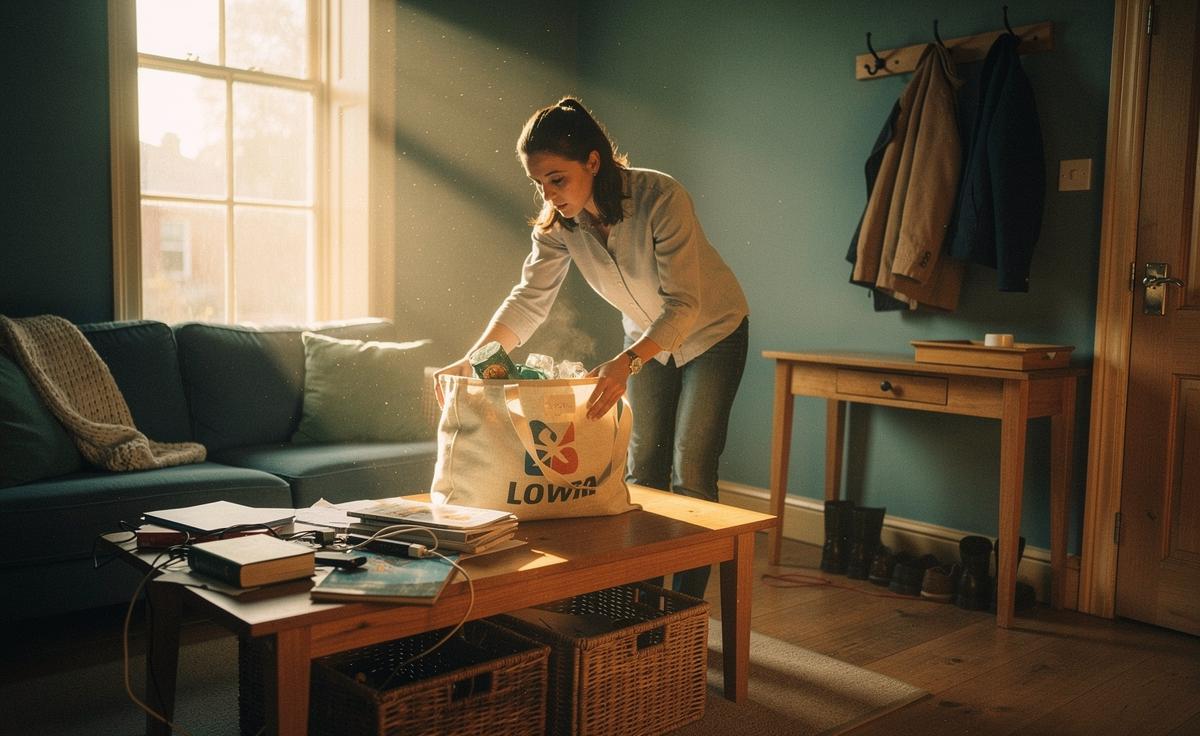
Forget weekend marathons; the fastest mood boost comes from micro-resets. Start with a 10–15 minute “closing shift” at day’s end: clear the sink, reset the sofa, lay out tomorrow’s bag. These small wins reduce morning friction and provide an evening cue that the day is done. The two-bag technique is another reliable shot of momentum: one bag for obvious rubbish, one for donations. Moving even a few items decisively delivers a potent sense of progress. Finish by creating one reliable “landing zone” near the door for keys, post, and headphones; the stress saved each morning is disproportionate to the effort.
If you want proof of impact, track mood before and after a reset. Most people report an immediate shift from agitated to steady. Keep the focus narrow: one surface, one drawer, one category. The goal is continuity over perfection. Small, visible wins beat grand overhauls. Below is a quick reference you can apply tonight.
| Action | Time | Immediate Mood Effect |
|---|---|---|
| 10-minute tidy of one surface | 10 min | Reduced visual noise; quick dopamine hit |
| Two-bag sweep (rubbish + donate) | 12–15 min | Sense of control; lighter, clearer space |
| Create a landing zone | 15 min | Less morning stress; fewer last-minute panics |
| Laundry triage (fold or bin) | 10 min | Fewer nagging tasks; calmer bedroom |
Minimalism: Pros vs. Cons for Mental Health
Minimalism can be a tonic—but only when applied with compassion. On the plus side, a leaner home reduces choices, cuts cleaning time, and curbs impulse spending. For those with high anxiety, fewer objects mean fewer triggers. A thoughtfully edited space can act like noise-cancelling headphones for the mind. There’s also a budget benefit: once you see surplus clearly, you buy less duplicate “just-in-case” kit, from baking tins to phone cables. Many readers describe this as a cumulative “calm dividend” that grows month by month.
Yet minimalism isn’t always better. Strict rules can morph into perfectionism, where a single toy on the floor feels like failure. Families, neurodivergent adults, and renters often need flexible systems—visible storage, labelled boxes, easy-access baskets—rather than stylised emptiness. Decluttering should reduce pressure, not add it. The sweet spot is “supportive minimalism”: keep what you use and love, stage it for easy reach, and design clean-up to be doable when you’re tired. In short, aim for less stuff, gentler standards, and systems that survive real life.
From UK Homes: Case Studies, Rituals, and Results
In a Hackney flatshare, Priya adopted a “Sunday sweep”: 20 minutes to clear the hallway, recycle leaflets, and reset shoe racks. She reports that Monday anxieties softened; commuting felt easier because her exit route wasn’t booby-trapped with bags and post. In Cardiff, single dad Lewis uses a snack-timer: while the oven’s on for fish fingers, he empties one drawer. He’s halved the kitchen clutter since Easter, and, more importantly, the after-school hour is less shouty. Both found that tiny rituals, not big weekends, changed the emotional weather of their homes.
Across interviews with readers, three patterns keep surfacing: visible surfaces drive the biggest mood lift; “homes for things” beat willpower; and scheduled resets prevent backslide. Consider these prompts the next time anxiety spikes:
- Name the next surface (coffee table, bedside, desk) and clear it fully.
- Decant categories into one container each: chargers, medicines, stationery.
- Cache duplicates where used (scissors in kitchen and study) to stop wandering clutter.
These are simple moves, but their power lies in repetition. You control your space, not the other way around. The result isn’t showroom minimalism; it’s a home that cooperates with you on stressful days.
Decluttering won’t solve every source of worry, but it reliably shrinks the daily frictions that inflame it. When energy is low, the trick is to choose the smallest possible reset that delivers the biggest visible change, then protect it with a gentle routine. Move a few things today; make tomorrow easier. Your mood will often rise in the time it takes to clear a surface. What’s the one space—drawer, shelf, or step—where a 10-minute reset would give you the sharpest sense of relief right now?
Did you like it?4.5/5 (23)