In a nutshell
- 💷 Use bulk buying, unit pricing, and seasonal swaps to cut per‑portion costs—e.g., lunches drop from £3.90 to ~£1.40—driving £10+ weekly (≈£520 yearly) savings.
- ⏱️ Sunday prep is decision insurance: the cheapest meal becomes the easiest, slashing delivery fees, impulse shops, and snack creep; a real case showed ~£85/month saved.
- ♻️ Plan to waste less: apply FIFO, cross‑utilise ingredients, and freeze smart; tackling the UK’s ~£60/month household food waste turns leftovers into new meals.
- ⚖️ Pros vs. Cons: Savings, speed, and nutrition vs. boredom and energy use; fix with modular menus, one‑oven multi‑tray batches, and efficient air fryer/pressure cooker cooking.
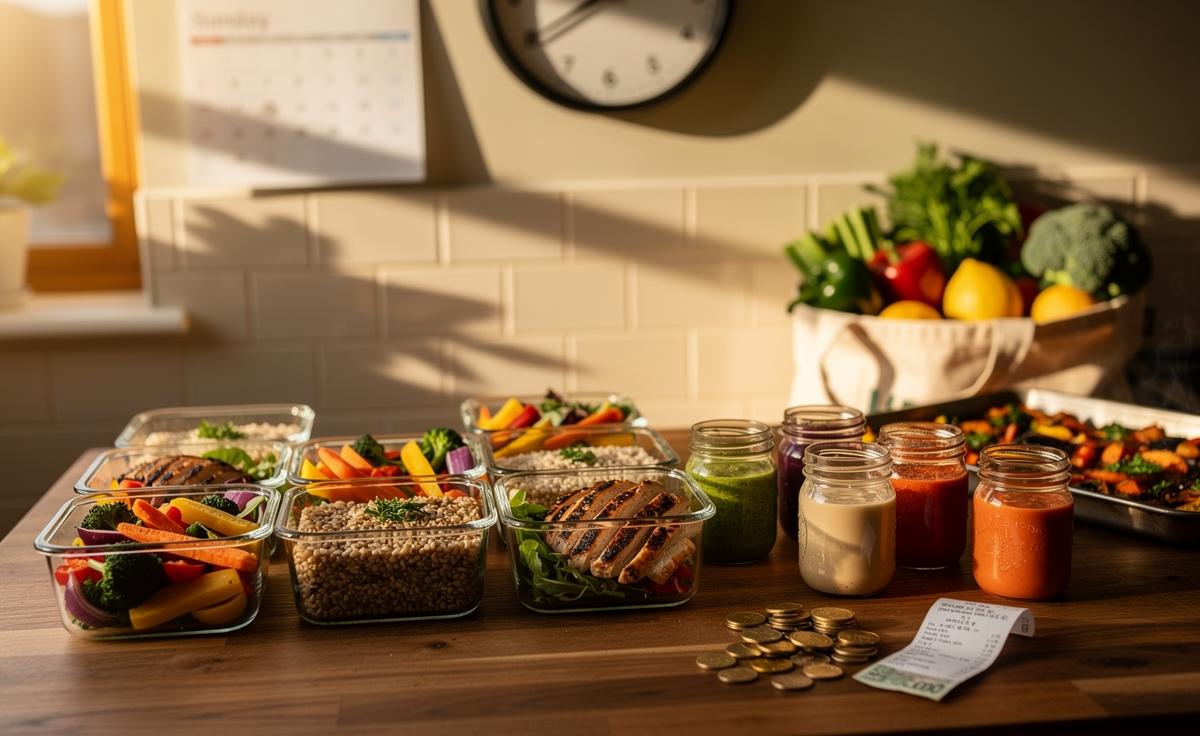
- 📅 Follow a simple template—one protein, two grains, three veg, plus a sauce—start with lunches, then add a dinner to make bills predictable and food spend more inflation‑proof.
In a country where the weekly shop is creeping up and a quick takeaway can rival a utility bill, the quiet ritual of Sunday meal prep is a rare financial lever anyone can pull. It is not glamorous, but it is profoundly effective: you trade an hour or two for a week of control over costs, calories, and chaos. Planning, batch cooking, and portioning don’t just fill the fridge; they dismantle the everyday traps that make our budgets leak. By front‑loading a few decisions on Sunday, you lower your spending for six days straight—and sidestep the costly defaults of busy modern life.
The Grocery Economics of Batch Cooking
Supermarkets reward consistency and volume, not spontaneity. When you prep on Sunday, you buy in bulk, exploit unit pricing, and design recipes around seasonal, discounted produce. That approach turns a basket of raw ingredients into multiple meals with shared components—so coriander, spring onions, or a 1kg bag of oats are used across the week rather than left to wilt. Batch cooking compresses your per‑portion cost while stretching ingredients across several dishes. You also avoid the “single‑serve tax” embedded in convenience foods. Think of it as a home micro‑wholesale strategy: fewer branded ready meals, more base ingredients you can repurpose three ways.
| Five-Day Lunch | Ad Hoc Buy | Prepped on Sunday |
|---|---|---|
| Per-serving cost | £3.90 (meal deal) | ~£1.40 (chicken, pasta, veg, dressing) |
| Add-ons/fees | Snacks +£1–£2 | None |
| Waste | Packaging | Minimal, bulk packs |
| Weekly total (5 lunches) | ~£19.50–£29.50 | ~£7.50–£8.00 |
Across a month, that differential adds up. Even a conservative saving of £10 per week is £520 a year—before you factor in reduced delivery fees and fewer impulse buys. Inflation-proofing your food spend doesn’t require coupons; it requires a repeatable template: one protein, two grains, three vegetables, plus a sauce that ties them together. Do this for lunches alone and your grocery bill becomes predictable, not punitive.
Time as Currency: How Sunday Prep Cuts Hidden Spending
When weekdays are crammed, money leaks through the cracks: a late train, a missed lunch break, an empty fridge. That’s when we surrender to £4 meal deals, £25 takeaways, and “just popping into the shop” for a £12 basket of bits. Sunday prep converts time into decision insurance. Cook one tray of chicken thighs, roast a medley of roots, boil a pot of grains, and stir a punchy sauce. Suddenly, assembling a dinner is a five‑minute task, not a 45‑minute problem. The cheaper option becomes the easiest option, which is the psychological hinge that keeps spending in check when willpower dips midweek.
- Fewer delivery fees: Avoid £2–£4 charges and minimum-spend traps.
- Fewer emergency shops: No petrol, parking, or “grabbed extras.”
- Reduced snack creep: Packed fruit and nuts beat £1.50 chocolate bars.
Consider Amrita, a junior doctor in Manchester. She preps two curries and a grain base every Sunday, freezing half in labelled portions. Before, she averaged two weeknight takeaways at ~£22 each plus a weekend brunch. After three months of meal prep, takeaways fell to one every fortnight and brunch became once a month. Her budgeting app shows a £85 monthly reduction in food spend. More importantly, she reclaimed weeknight evenings. Time saved is money not spent.
Waste Less, Spend Less: Planning That Stops Food Going in the Bin
UK households throw away millions of tonnes of edible food each year, worth roughly £60 per month to the average family. Sunday prep is a structural antidote. By mapping the week, you give every ingredient a job: herbs are blitzed into chimichurri, soft veg becomes soup, and surplus rice is fried with eggs and greens. Waste isn’t inevitable; it’s a planning problem. A simple inventory—freezer, fridge, cupboard—keeps you from buying duplicates, while portioning shrinks the appetite of the bin. These are small moves with outsized impact on your budget and the planet.
- FIFO principle: First in, first out—label dates, rotate shelves.
- Cross‑utilise: Roast vegetables star in salads, wraps, and frittatas.
- Freeze smart: Flat‑pack sauces in bags; portion rice and chilli.
- Portion control: Weigh carbs once; avoid oversized pots that invite overeating.
My own family of four runs a “Sunday roast cascade”: roast chicken on Day 1, pasta with shredded leftovers on Day 2, and stock‑based soup on Day 3. Offcuts and skins go to stock; stale bread becomes croutons. The bin gets almost nothing, and the food budget is steadier. When every ingredient is pre‑assigned to two meals, you spend less and waste less by default. That is sustainability with receipts.
Pros and Cons: Why Meal Prep Isn’t Always Better
Let’s be honest: meal prep can backfire if you over‑commit or under‑plan. Boredom sets in, salads wilt, energy costs rise if you run the oven inefficiently. The trick is to design for variety and efficiency, not perfection. Think modular: one roast veg tray, two proteins cooked differently, three flavours (e.g., harissa, pesto, miso). Monotony is a planning error, not an inevitability. And yes, there are weeks when a takeaway is the right choice—budget for it, don’t build your routine around it.
- Pros: Lower unit costs, fewer fees, less waste, faster evenings, better nutrition.
- Cons: Upfront time, fridge space needed, potential boredom, energy use if poorly planned.
- Fixes: Rotate three base menus, batch via air fryer/pressure cooker, freeze half immediately.
Use the oven once for multiple trays; run grains on the hob while veg roasts; cool and portion promptly to protect texture. An energy‑efficient air fryer or pressure cooker can cut cooking costs and time. Prep small, freeze fast, and keep flavours varied. Done this way, meal prep is flexible, not rigid—and that’s what keeps it sustainable and savings‑positive long term.
Sunday meal prep is less a trend than a personal inflation strategy: a weekly ritual that squeezes value out of your shop, time out of your evenings, and stress out of your decisions. You’ll spend less because you’ll decide less—once, upfront, with a plan that uses every carrot end and coriander stem. Start with lunches, add one dinner, and build from there. By next month, you’ll have a rhythm that pays you back every week. What single, manageable ritual could you try this Sunday to make the cheaper choice the easiest choice all week long?
Did you like it?4.5/5 (27)